

Inside the Total Pixel Space
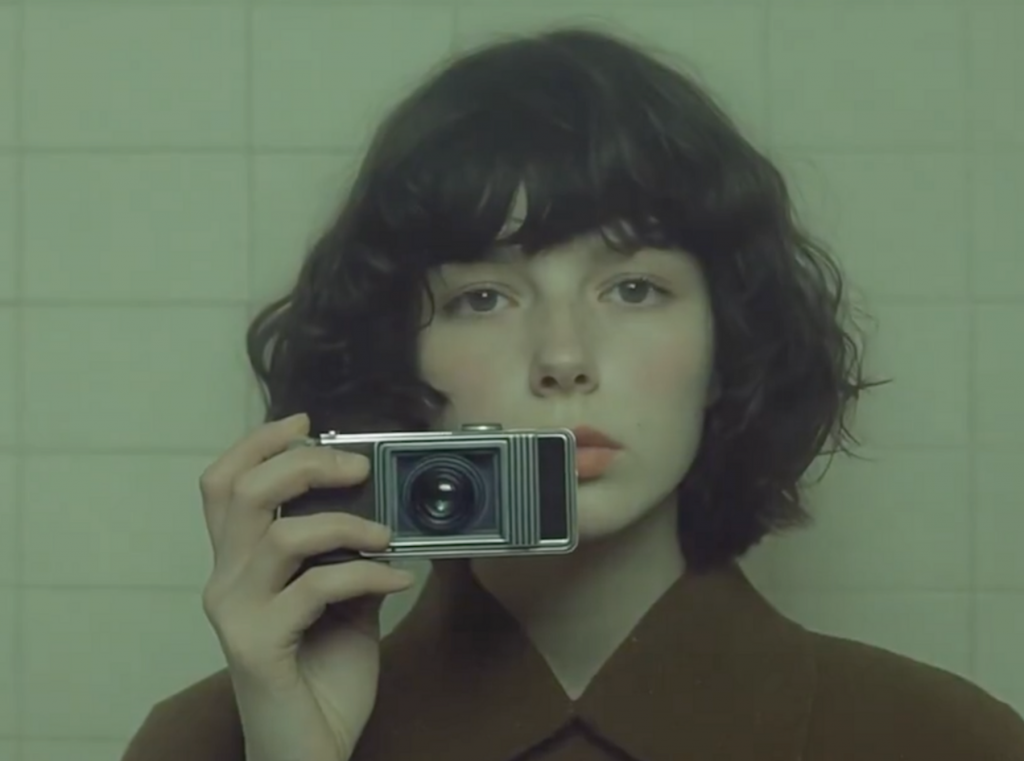
Jacob Adler's short film, ’Total Pixel Space’ recently won first prize in the third International Ai Film Festival. It is a really clever use of generative Ai as a medium to explore a deeply profound concept of the image as a fundamental model of reality. Total Pixel Space is basically the idea that if you define an image as a grid of pixelated colour values, with a finite number of possible combinations, then you have a huge but limited set of possible combinations which contain all visual possibilities. It is really interesting to see generative Ai used in this way.
The film is made entirely from generated imagery which rather than masquerading as real imagery actually lend themselves perfectly to the subject matter and the point made. As Adler’s narration puts it, Total pixel space contains every possible digital image, including films of your entire life, every life you never lived, and the lives of every other living creature or object that ever and never existed on or off the Earth, from every possible angle. It contains countless films depicting the complete history of humanity, from the dawn to the demise of Homo sapiens. It contains intimate portraits of every human who ever lived. It contains a million-year-long film documenting the rise and fall of a true alien civilization.
It contains images of every weather pattern and cloud, photos of every mountain, rock, and microscopic grain of dust on Earth and every other planet, asteroid, and moon in the universe, in every wavelength of light, from every angle. It contains the life stories of every microorganism that ever lived, every video game run-through, images of all future scientific discoveries and inventions, images that defy the laws of physics and logic, images of every dream of everyone who ever lived. Somewhere in this vastness are images of the moment of our deaths. Somewhere in this vastness lies every frame of every possible past, present, and future.
